to Spring 2019. New date coming soon
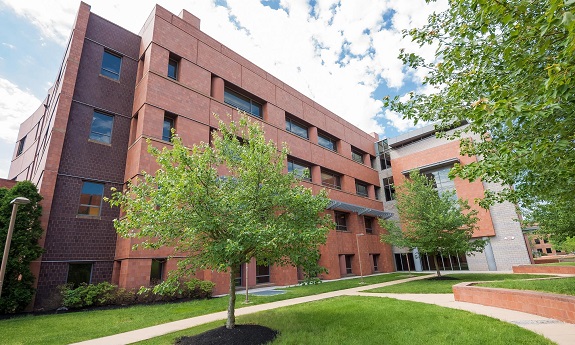
The Council for Chemical Research Annual Meeting will create a forum for key decision-makers responsible for leading-edge chemical research to highlight, share, and discuss effective, strategic partnerships to advance scientific and technical objectives. Join Delaware's Senator Chris Coons, 3M's Greg Anderson, Alexa Dembek of DowDuPont, and our full lineup of invited speakers.
Submit your poster abstract using the link below
Submit an abstract
Read more
About CCR
For more than 35 years, CCR has been a leader in the chemical sciences, encouraging collaboration among industry, academia, and government laboratories. Through meetings, workshops, white papers, and issues important to research and the chemical enterprise, CCR has provided members a network for establishing collaborations, sharing ideas, and identifying new research frontiers. Starting in 2016, CCR’s operations are under the auspices of the American Institute of Chemical Engineers (AIChE).
The Council for Chemical Research exists to promote networking and partnerships among key leaders from Academia, Government and Industry to:
What is the Council for Chemical Research
Read less